
Venous Ulcer
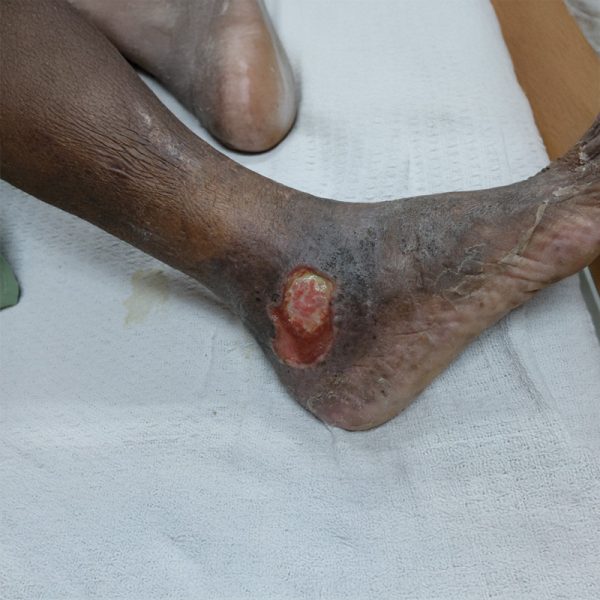
A venous ulcer is a chronic wound that usually develops on the lower leg or ankle due to poor blood flow in the veins. It occurs when damaged vein valves cause blood to pool in the legs, increasing pressure and leading to skin breakdown. Venous ulcers are the most common type of leg ulcer and require timely treatment to promote healing and prevent infection.
Causes of Venous Ulcer
Venous ulcers develop due to long-standing venous disease. Common causes and risk factors include:
Chronic venous insufficiency
Varicose veins
Previous deep vein thrombosis (DVT)
Prolonged standing or sitting
Obesity
Increasing age
Reduced mobility
Leg injury or trauma
Poor circulation prevents wounds from healing properly.
Venous Ulcer Signs and Symptoms
Symptoms may develop gradually and include:
Open sore near the ankle or lower leg
Swelling of the leg or ankle
Aching, heaviness, or pain in the legs
Skin discoloration or thickening around the ulcer
Itching or redness
Fluid discharge from the wound
Untreated ulcers may become infected and enlarge over time.
Diagnosis and Treatment of Venous Ulcer
Diagnosis is made through clinical examination and Doppler ultrasound to assess venous blood flow and identify underlying venous insufficiency or previous deep vein thrombosis.
Treatment focuses on improving circulation and wound healing and includes compression therapy, regular wound care and dressings, medications when infection is present, and endovascular or surgical treatment for underlying venous disease in selected cases.
Early diagnosis and proper treatment promote healing and reduce recurrence.
Prevention and Risk Reduction
You can reduce the risk of venous ulcers by:
Wearing compression stockings as advised
Elevating legs regularly
Staying physically active
Maintaining a healthy weight
Treating varicose veins and venous disease early
Early diagnosis and proper management of venous ulcers help promote healing and prevent long-term complications.