
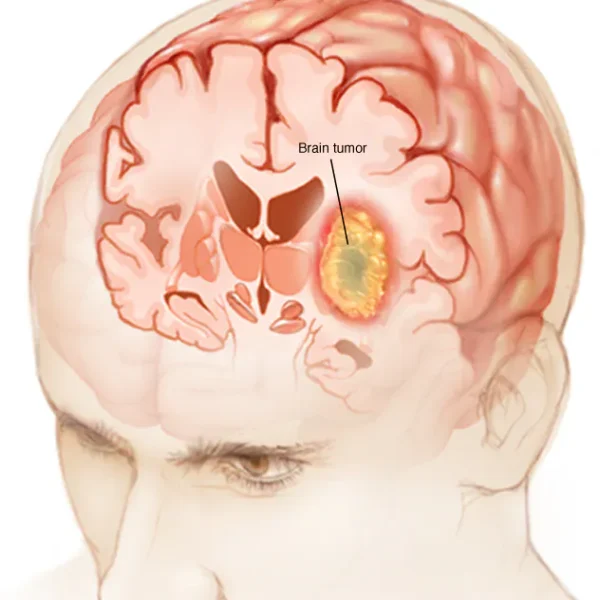

Varicose Vein
Varicose veins are enlarged, twisted veins that commonly occur in the legs due to weakened or damaged vein valves. These faulty valves cause blood to pool in the veins, leading to visible bulging veins and discomfort.
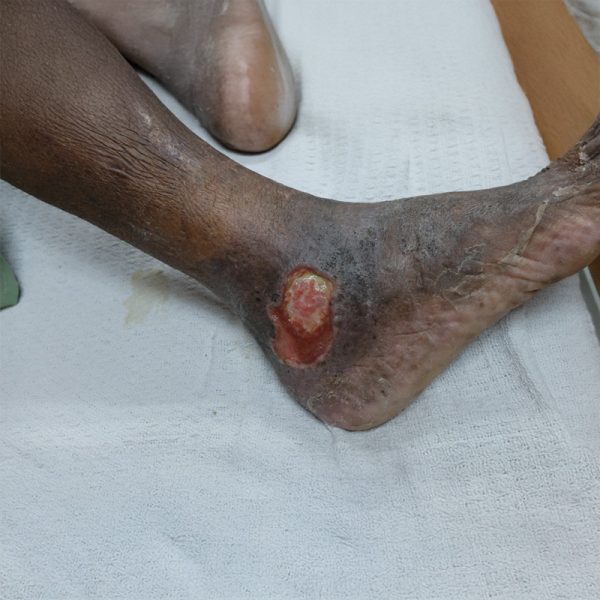
Venous Ulcer
A venous ulcer is a chronic wound that usually develops on the lower leg or ankle due to poor blood flow in the veins. It occurs when damaged vein valves cause blood to pool in the legs, increasing pressure and leading to skin breakdown.
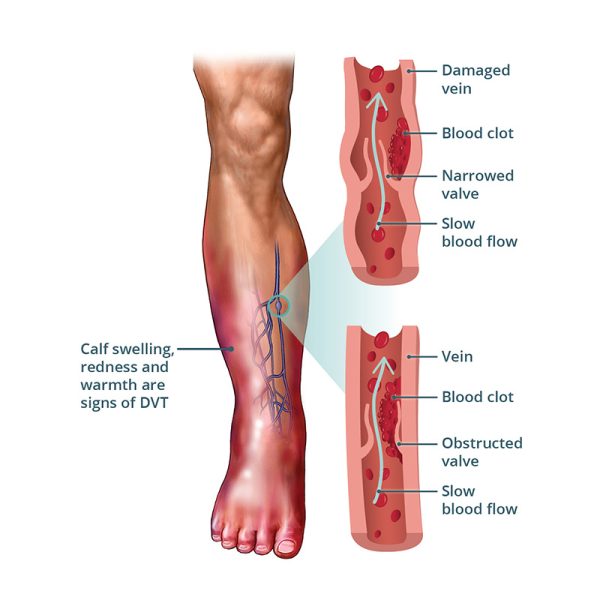
Deep Vein Thrombosis (DVT)
Deep Vein Thrombosis (DVT) is a condition in which a blood clot forms in a deep vein, most commonly in the legs. DVT can reduce blood flow and cause pain and swelling. If part of the clot breaks off and travels to the lungs,
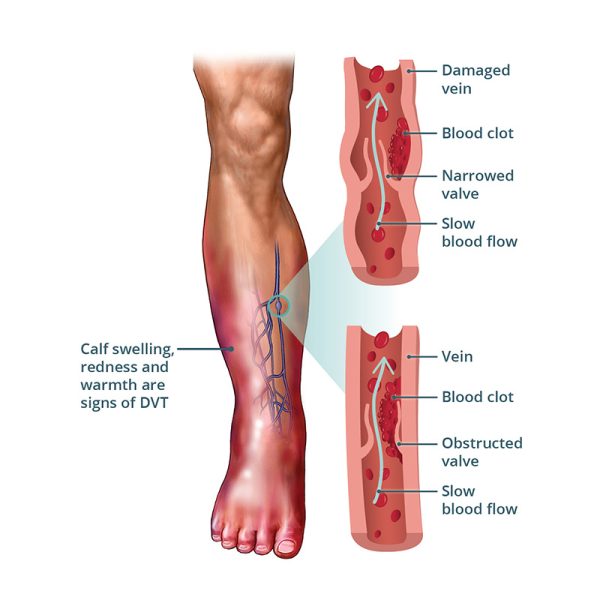
Pelvic Congestion Syndrome
Pelvic Congestion Syndrome (PCS) is a condition caused by enlarged or weakened veins in the pelvic region, leading to chronic pelvic pain, especially in women. It occurs when faulty valves in pelvic veins allow blood to pool, increasing pressure in the veins.
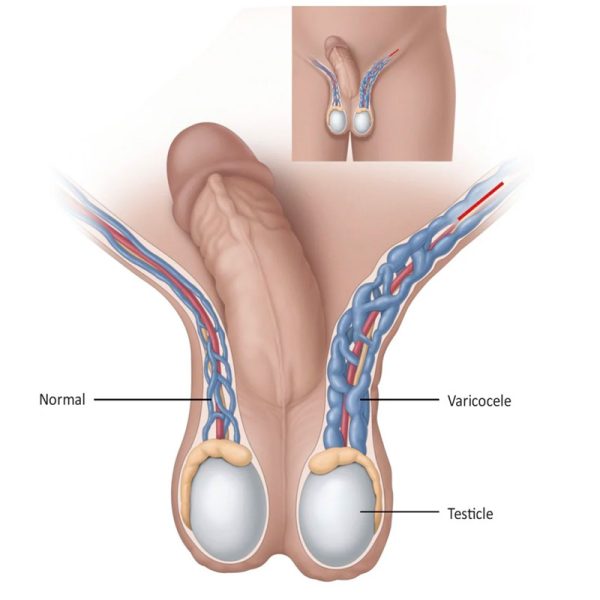
Varicocele
Varicocele is a condition caused by enlarged or weakened veins in the scrotum, leading to discomfort, pain, or fertility issues, especially in men