
Veno-Lymphatic Malformation
Veno-lymphatic malformation (VLM) is a congenital vascular condition involving abnormal development of both veins and lymphatic vessels. These malformations are present at birth and may slowly enlarge over time. Veno-lymphatic malformations can occur in the head and neck, limbs, trunk, or internal organs, causing swelling, pain, cosmetic concerns, or functional impairment depending on their size and location.
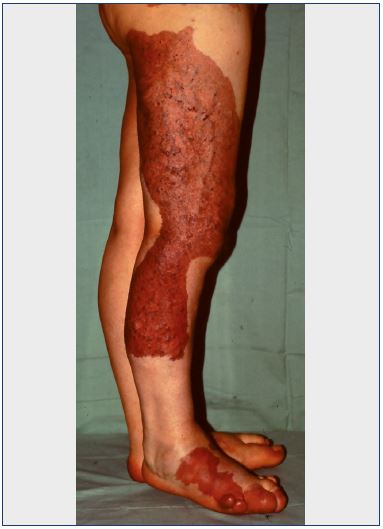
Causes of Veno-Lymphatic Malformation
Veno-lymphatic malformations occur due to abnormal blood vessel and lymphatic vessel development during fetal growth. Key points include:
Congenital condition (present from birth)
Errors in formation of venous and lymphatic channels
Genetic mutations in some cases
Not caused by lifestyle, injury, or infection
Symptoms may appear in childhood or later in life as the malformation enlarges.
Veno-Lymphatic Malformation Signs and Symptoms
Symptoms vary depending on location and severity and may include:
Soft, compressible swelling or mass
Pain or tenderness
Skin discoloration or bluish appearance
Swelling that increases with activity or infection
Recurrent inflammation or infection
Functional limitation if involving joints, airway, or organs
Malformations in the head and neck region may affect breathing, speech, or swallowing.
Diagnosis and Treatment of Veno-Lymphatic Malformation
Diagnosis is based on clinical examination and imaging studies such as ultrasound with Doppler and MRI, which help determine the size, depth, and extent of involvement. CT scan or venography may be used in selected cases.
Treatment depends on symptoms, size, and location. Options include observation for small, asymptomatic lesions, compression therapy, sclerotherapy to treat abnormal vessels, and endovascular or surgical intervention for large or symptomatic malformations.
Early diagnosis and appropriate treatment help reduce swelling, pain, and long-term complications.
Prevention and Risk Reduction
Veno-lymphatic malformations cannot be prevented, but complications can be minimized by:
Early diagnosis and specialist care
Regular monitoring of known malformations
Prompt treatment of swelling or infection
Avoiding trauma to affected areas
Timely diagnosis and appropriate treatment of veno-lymphatic malformations improve comfort, function, and long-term outcomes.