
Uncontrolled Hypertension
Uncontrolled hypertension refers to persistently high blood pressure that remains above target levels despite treatment or due to lack of diagnosis, poor adherence, or underlying medical causes. Long-standing uncontrolled blood pressure significantly increases the risk of stroke, heart attack, kidney failure, vision loss, and vascular disease. Early identification and effective management are essential to prevent serious complications.
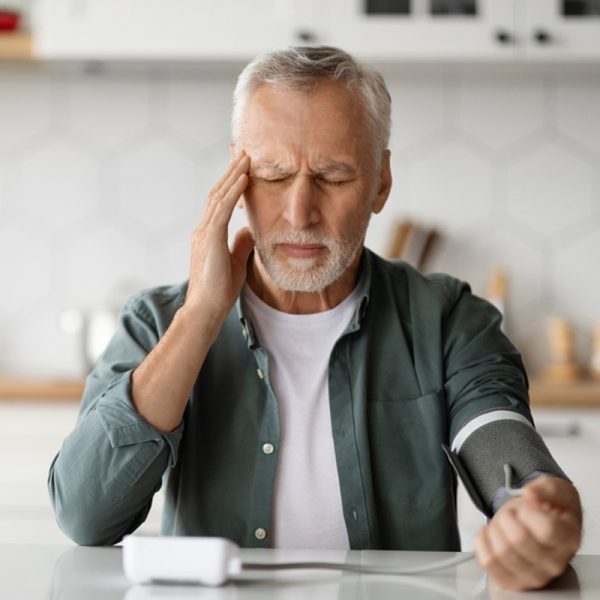
Causes of Uncontrolled Hypertension
Uncontrolled hypertension may occur due to:
Irregular or incorrect use of blood pressure medications
Inadequate treatment or delayed dose adjustment
High salt intake and unhealthy diet
Obesity and physical inactivity
Stress, smoking, and excess alcohol
Secondary causes such as kidney disease, renal artery stenosis, hormonal disorders, or sleep apnea
Identifying the underlying cause is key to effective control.
Uncontrolled Hypertension Signs and Symptoms
Many people have no symptoms even when blood pressure is dangerously high. When symptoms occur, they may include:
Persistent headaches
Dizziness or lightheadedness
Blurred vision
Chest pain or shortness of breath
Nosebleeds or fatigue
Severely elevated blood pressure can lead to hypertensive emergency, requiring immediate medical care.
Diagnosis and Treatment of Uncontrolled Hypertension
Diagnosis involves repeated blood pressure measurements, review of current medications and lifestyle factors, and investigations such as blood and urine tests, ECG, or imaging to identify secondary causes.
Treatment focuses on optimizing blood pressure medications, improving adherence, lifestyle modifications including salt restriction and weight control, and treating any underlying medical conditions.
Early diagnosis and effective treatment significantly reduce the risk of stroke, heart disease, and kidney damage.
Prevention and Risk Reduction
You can reduce the risk of uncontrolled hypertension by:
Monitoring blood pressure regularly
Taking medications exactly as prescribed
Reducing salt intake and eating a balanced diet
Staying physically active
Avoiding tobacco and limiting alcohol
Regular medical follow-up
Early diagnosis and proper management of uncontrolled hypertension can prevent life-threatening complications and protect long-term health.