
Pulsatile Tinnitus
Pulsatile tinnitus is a condition in which a person hears a rhythmic sound—often described as a whooshing, thumping, or heartbeat-like noise—that matches their pulse. Unlike common tinnitus, pulsatile tinnitus is usually caused by an underlying blood flow or vascular condition near the ear or brain and requires medical evaluation.
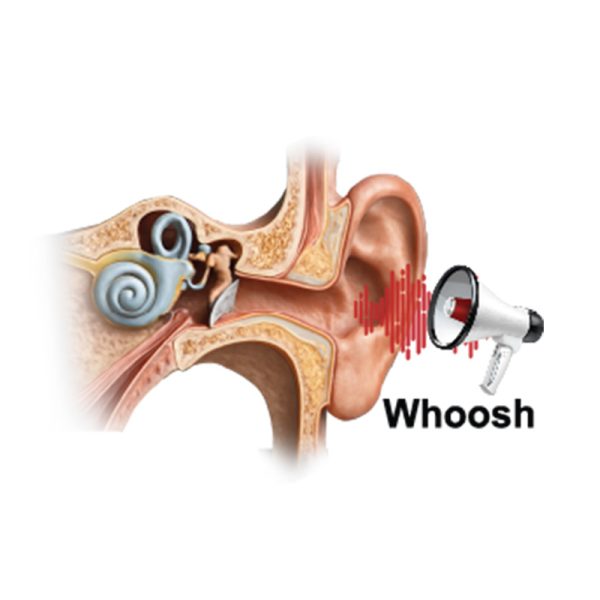
Causes of Pulsatile Tinnitus
ulsatile tinnitus is most often related to changes in blood flow or pressure. Common causes include:
Abnormal blood vessels near the ear or brain
Carotid artery disease or narrowing
Arteriovenous malformation (AVM) or fistula (AVF)
Idiopathic intracranial hypertension (IIH)
High blood pressure
Venous sinus narrowing or blockage
Middle ear conditions affecting blood flow sounds
Identifying the cause is essential for appropriate treatment.
Pulsatile Tinnitus Signs and Symptoms
Symptoms may be constant or intermittent and can include:
Rhythmic sound synchronized with heartbeat
Whooshing or pulsing noise in one or both ears
Symptoms that worsen when lying down or bending forward
Headache or visual disturbances in some cases
If pulsatile tinnitus is sudden, persistent, or associated with neurological symptoms, prompt medical attention is advised.
Diagnosis and Treatment of Pulsatile Tinnitus
Diagnosis involves clinical evaluation and imaging tests such as MRI or CT scan, along with CT or MR angiography/venography to assess blood vessels near the brain and ear. Doppler ultrasound may be used in selected cases.
Treatment depends on the underlying cause and may include medical management of blood pressure or intracranial pressure, treatment of vascular conditions such as AVM, AVF, or carotid artery disease, and endovascular or surgical procedures when required.
Early diagnosis and targeted treatment help relieve symptoms and prevent complications.
Prevention and Risk Reduction
Risk of pulsatile tinnitus may be reduced by:
Controlling blood pressure and vascular risk factors
Maintaining a healthy weight
Managing conditions like IIH or carotid artery disease
Seeking early evaluation for persistent ear or pulse-related sounds
Early diagnosis and targeted treatment of pulsatile tinnitus can relieve symptoms and prevent serious complications.