
Peripheral Artery Disease (PAD)
Peripheral Artery Disease (PAD) is a condition in which the arteries that supply blood to the legs and arms become narrowed or blocked, most commonly due to fatty plaque buildup (atherosclerosis). Reduced blood flow can cause pain while walking and, if untreated, may lead to serious complications such as non-healing wounds, infections, or limb loss. PAD is also a strong warning sign of underlying heart and brain vascular disease.
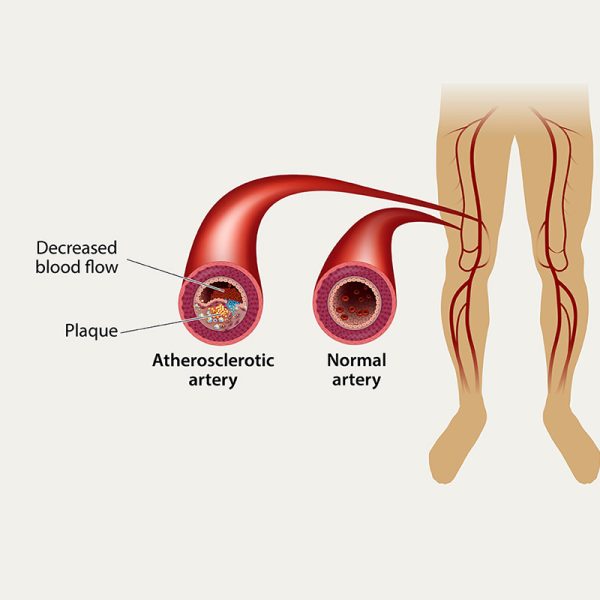
Causes of Peripheral Artery Disease (PAD)
PAD develops gradually due to damage and narrowing of arteries. Common causes and risk factors include:
Atherosclerosis (plaque buildup)
Smoking and tobacco use
Diabetes
High blood pressure
High cholesterol
Obesity and physical inactivity
Increasing age and family history of vascular disease
These factors reduce blood flow to the limbs over time.
Peripheral Artery Disease (PAD) Signs and Symptoms
Many people may have no symptoms in early stages. When symptoms occur, they may include:
Leg pain or cramping while walking (claudication)
Leg numbness or weakness
Coldness in the lower leg or foot
Slow-healing sores or wounds on the feet
Change in skin color or hair loss on legs
Severe pain at rest in advanced disease
Worsening symptoms should be evaluated promptly.
Diagnosis and Treatment of Peripheral Artery Disease (PAD)
Diagnosis includes clinical examination, Ankle-Brachial Index (ABI) testing, and Doppler ultrasound to assess blood flow. CT or MR angiography may be used to define the extent of arterial narrowing.
Treatment focuses on improving blood flow and reducing risk factors. This includes lifestyle modification and smoking cessation, medications to control cholesterol, blood pressure, and clotting, supervised exercise therapy, and endovascular procedures or surgery in advanced cases.
Early diagnosis and treatment help relieve symptoms and prevent serious limb and cardiovascular complications.
Prevention and Risk Reduction
You can lower the risk of PAD by:
Quitting smoking
Controlling diabetes, blood pressure, and cholesterol
Maintaining a healthy weight
Regular physical activity
Routine vascular health checkups
Early diagnosis and proper management of peripheral artery disease help preserve limb function and reduce cardiovascular risk.