
Lymphatic Malformation
Lymphatic malformation is a congenital condition caused by abnormal development of the lymphatic vessels, which are part of the body’s immune and fluid-drainage system. These malformations are present at birth and may slowly enlarge over time. They commonly occur in the head and neck, limbs, chest, abdomen, or internal organs and can cause swelling, pain, or functional problems depending on size and location.
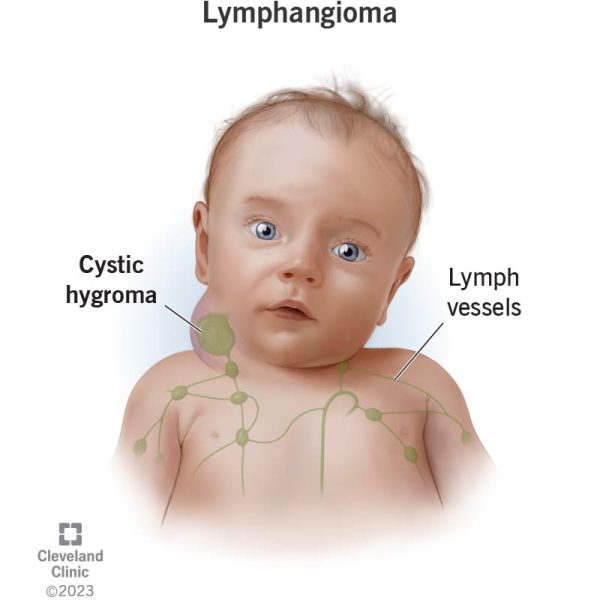
Causes of Lymphatic Malformation
Lymphatic malformations develop due to errors in lymphatic vessel formation during fetal development. Key factors include:
Congenital abnormality (present from birth)
Abnormal lymphatic channel development
Genetic mutations in some cases
Not caused by lifestyle, injury, or infection
Symptoms may appear at birth, in childhood, or later in life as the lesion enlarges.
Lymphatic Malformation Signs and Symptoms
Symptoms vary based on location and severity and may include:
Soft, painless or painful swelling
Fluid-filled lumps or cysts
Skin discoloration or thickening
Recurrent infections or inflammation
Difficulty breathing, swallowing, or movement if near vital structures
Large or infected malformations may cause sudden increase in size and discomfort.
Diagnosis and Treatment of Lymphatic Malformation
Diagnosis is based on clinical examination and imaging studies such as ultrasound and MRI, which help determine the size, depth, and extent of the malformation. CT scan may be used in selected cases.
Treatment depends on symptoms, size, and location. Options include observation for small, asymptomatic lesions, sclerotherapy to shrink abnormal lymphatic channels, compression therapy, and surgical or endovascular treatment for large or complicated malformations.
Early diagnosis and appropriate treatment help reduce swelling, infections, and long-term complications
Prevention and Risk Reduction
Lymphatic malformations cannot be prevented, but complications can be reduced by:
Early diagnosis and regular follow-up
Prompt treatment of infections or swelling
Avoiding trauma to affected areas
Specialist care for growing or symptomatic lesions
Timely diagnosis and appropriate treatment of lymphatic malformations improve comfort, function, and long-term outcomes.