
Large Vessel Stenosis
Large vessel stenosis refers to the narrowing of major arteries that supply blood to the brain or other vital organs, such as the carotid arteries, vertebral arteries, or major intracranial vessels. This narrowing reduces blood flow and significantly increases the risk of ischemic stroke, transient ischemic attack (TIA), and other neurological complications. Early diagnosis and treatment are essential to prevent permanent brain damage.
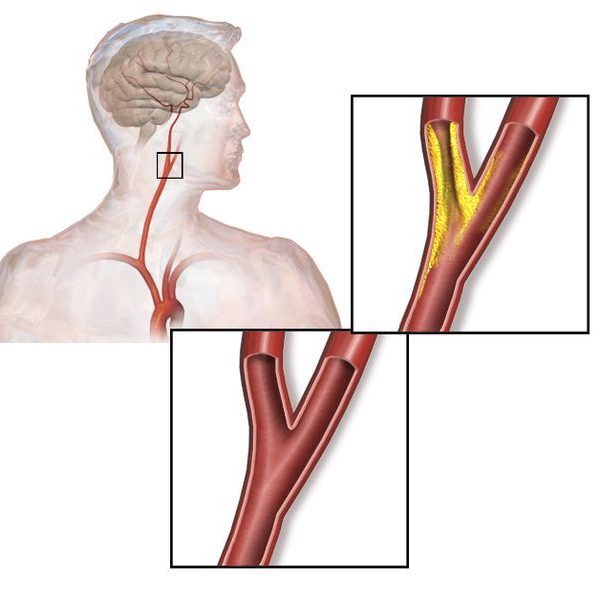
Causes of Large Vessel Stenosis
Large vessel stenosis develops due to damage and narrowing of arterial walls. Common causes and risk factors include:
Atherosclerosis (fatty plaque buildup)
Long-standing high blood pressure
Diabetes
High cholesterol
Smoking and tobacco use
Inflammatory or autoimmune vascular conditions
Increasing age and family history of vascular disease
These factors gradually reduce blood flow through major arteries.
Large Vessel Stenosis Signs and Symptoms
Symptoms may vary depending on the artery involved and severity of narrowing. Some patients may have no symptoms initially.
Common symptoms include:
Sudden weakness or numbness of face, arm, or leg
Difficulty speaking or understanding speech
Vision problems
Dizziness or loss of balance
Transient ischemic attack (TIA) symptoms
Severe narrowing can lead to stroke, which is a medical emergency.
Diagnosis and Treatment of Large Vessel Stenosis
Diagnosis is made using Doppler ultrasound, CT angiography (CTA), or MR angiography (MRA) to assess the location and severity of arterial narrowing. Digital subtraction angiography (DSA) may be used in selected cases.
Treatment depends on symptom severity and degree of stenosis and includes medical management with antiplatelet therapy, cholesterol and blood pressure control, lifestyle modification, and endovascular procedures such as angioplasty or stenting. Surgical intervention may be required in selected cases.
Early diagnosis and timely treatment reduce the risk of stroke and vascular complications.
Prevention and Risk Reduction
Risk of large vessel stenosis can be reduced by:
Controlling blood pressure, diabetes, and cholesterol
Avoiding tobacco use
Maintaining a healthy diet and regular physical activity
Regular medical follow-up for high-risk individuals
Early diagnosis and appropriate treatment of large vessel stenosis can prevent stroke and protect brain health.