
Ischemic Stroke
An ischemic stroke occurs when blood flow to a part of the brain is blocked, most commonly by a blood clot. This blockage prevents oxygen and nutrients from reaching brain cells, causing them to begin dying within minutes. Ischemic stroke is the most common type of stroke, accounting for nearly 80% of all stroke cases.
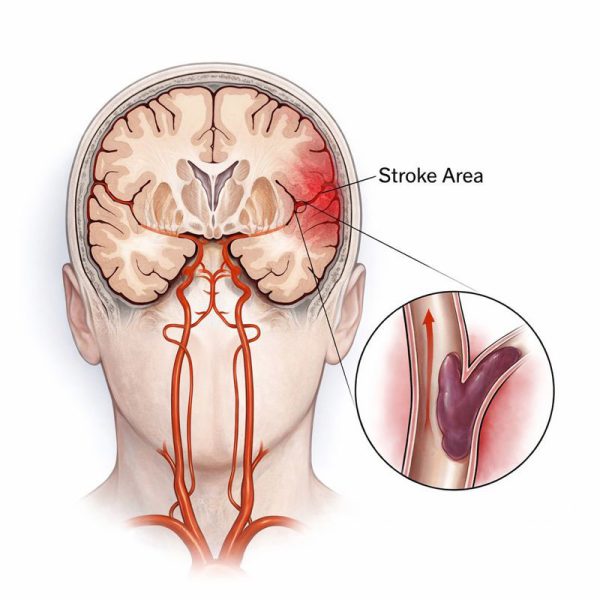
Ischemic stroke
causes
Ischemic stroke commonly occurs due to:
Thrombosis – a clot forming in an artery supplying the brain
Embolism – a clot traveling from the heart or another vessel to the brain
Atherosclerosis (fatty plaque buildup in arteries)
Atrial fibrillation and heart disease
High blood pressure, diabetes, and high cholesterol
Smoking and obesity
These factors increase the risk of clot formation and arterial blockage.
Ischemic stroke symptoms and warning signs
Symptoms usually appear suddenly and may include:
Weakness or numbness of the face, arm, or leg (especially on one side)
Difficulty speaking or understanding speech
Sudden vision problems
Dizziness or loss of balance
Severe headache with no known cause
Use FAST: Face drooping, Arm weakness, Speech difficulty, Time to seek emergency care.
Diagnosis and Treatment of Ischemic stroke
Diagnosis is performed through urgent neurological examination and brain imaging such as CT scan or MRI to confirm reduced blood flow and rule out bleeding. CT or MR angiography may be used to identify the blocked artery.
Treatment focuses on restoring blood flow as quickly as possible and includes clot-dissolving medications (thrombolysis), mechanical thrombectomy for large vessel blockages, and medications to prevent future clots and control risk factors.
Early diagnosis and prompt treatment are critical to reduce brain damage and improve recovery.
Prevention
Controlling blood pressure, diabetes, and cholesterol, avoiding smoking, maintaining a healthy lifestyle, and regular medical follow-ups can reduce stroke risk.
Ischemic stroke is a medical emergency. Immediate medical attention can save lives and protect brain function.