
Internal Bleeding
Internal bleeding refers to blood loss that occurs inside the body, rather than through an external wound. It can affect organs, tissues, or blood vessels and may occur suddenly or develop slowly over time. Internal bleeding is a medical emergency in many cases and requires prompt diagnosis and treatment to prevent serious complications, including organ damage and shock.
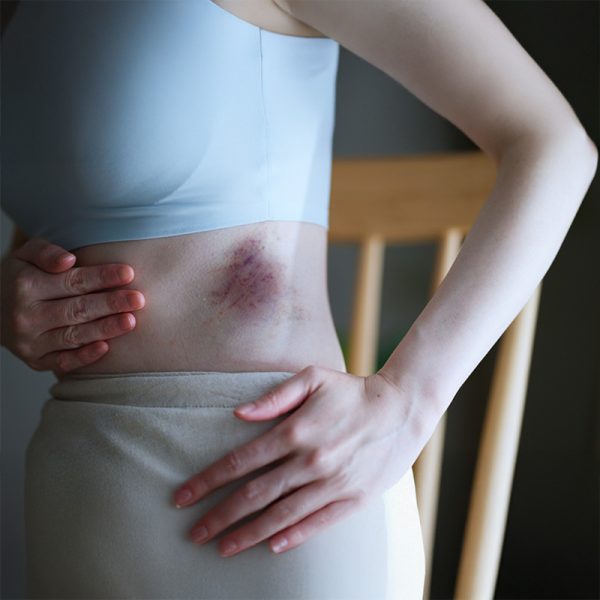
Causes of Internal Bleeding
Internal bleeding can occur due to:
Trauma or injury (accidents, falls)
Ruptured blood vessels or aneurysms
Gastrointestinal bleeding (ulcers, gastritis)
Blood clotting disorders
Use of blood-thinning medications
Liver disease
Surgical complications
Certain medical conditions affecting organs
Identifying the cause is critical for effective treatment.
Internal Bleeding Signs and Symptoms
Symptoms vary depending on the location and severity of bleeding and may include:
Sudden or worsening pain
Swelling or bruising
Dizziness or fainting
Weakness or fatigue
Shortness of breath
Pale or clammy skin
Severe internal bleeding may lead to low blood pressure, rapid heartbeat, confusion, or loss of consciousness, which requires immediate emergency care.
Diagnosis and Treatment of Internal Bleeding
Diagnosis includes clinical examination, monitoring of vital signs, blood tests, and imaging studies such as CT scan, ultrasound, or MRI to locate the source of bleeding. Endoscopy may be used in suspected gastrointestinal bleeding.
Treatment focuses on stabilizing the patient and stopping the bleeding. This may include fluids or blood transfusion, medications, and endovascular or surgical intervention depending on the cause and severity.
Early diagnosis and prompt treatment are critical to prevent life-threatening complications.
Prevention and Risk Reduction
Risk of internal bleeding can be reduced by:
Preventing falls and injuries
Using blood-thinning medications as prescribed
Regular medical monitoring for clotting disorders
Early evaluation of unexplained pain or weakness
Early recognition and timely treatment of internal bleeding can save lives and prevent organ damage.