
Carotid Artery Disease
Carotid artery disease occurs when the carotid arteries—major blood vessels that supply blood to the brain—become narrowed or blocked due to fatty plaque buildup. This reduces blood flow to the brain and significantly increases the risk of ischemic stroke and transient ischemic attack (TIA). Early diagnosis and treatment are essential to prevent serious neurological complications.
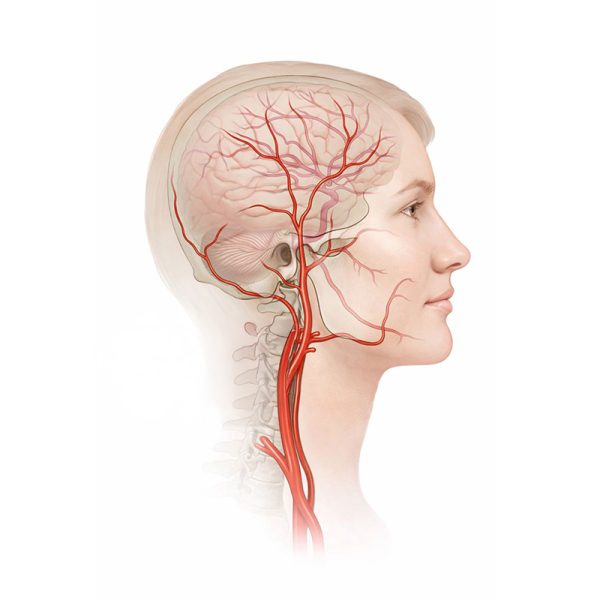
Causes of Carotid
Artery Disease
Carotid artery disease develops gradually over time due to:
Atherosclerosis (fatty plaque buildup in arteries)
High blood pressure (hypertension)
High cholesterol levels
Smoking and tobacco use
Diabetes
Obesity and lack of physical activity
Increasing age and family history of vascular disease
These factors damage the artery walls, causing narrowing and reduced blood flow to the brain.
Carotid Artery Disease Signs and Symptoms
Many people have no symptoms until blood flow becomes severely reduced or a stroke occurs. Symptoms may include:
Sudden weakness or numbness in the face, arm, or leg
Difficulty speaking or understanding speech
Sudden vision problems in one or both eyes
Dizziness or loss of balance
These symptoms may be temporary (TIA) or persistent and should be treated as a medical emergency.
Carotid Artery Disease treatment and diagnosis
Diagnosis is done using carotid Doppler ultrasound to evaluate blood flow and artery narrowing, along with CT angiography (CTA) or MR angiography (MRA). Cerebral angiography may be used in selected cases for detailed assessment.
Treatment depends on the degree of narrowing and symptoms. Options include medical management with blood thinners, cholesterol-lowering medications, and blood pressure control. In advanced cases, carotid endarterectomy or carotid artery stenting may be performed to restore blood flow.
Early diagnosis and treatment significantly reduce the risk of stroke.
Prevention and Risk Reduction
You can reduce the risk of carotid artery disease by:
Controlling blood pressure, cholesterol, and diabetes
Quitting smoking and avoiding tobacco
Eating a heart-healthy diet
Regular physical activity and weight management
Routine medical checkups and screenings
Early detection and proper treatment of carotid artery disease can prevent stroke and protect brain health.