
AVM & AVF
Arteriovenous Malformation (AVM) and Arteriovenous Fistula (AVF) are abnormal connections between arteries and veins that bypass normal capillaries. This causes high-pressure blood flow directly into veins, which can weaken blood vessels and increase the risk of brain bleeding, stroke, seizures, and neurological damage. AVMs and AVFs affecting the brain and spinal cord require careful evaluation and timely treatment.
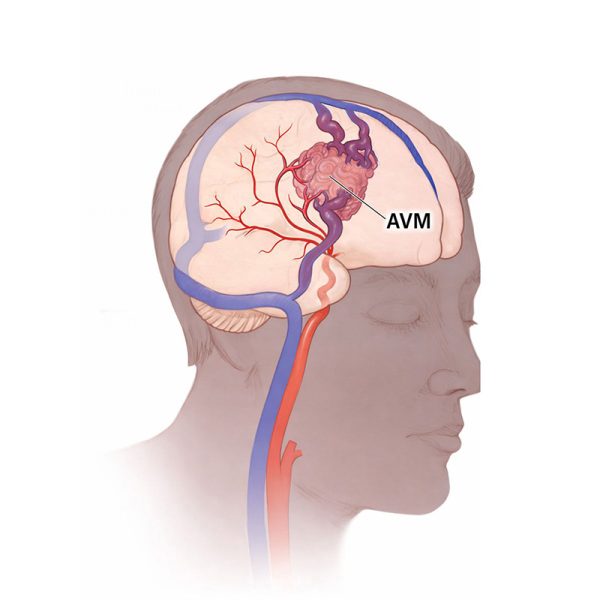
Causes of AVM & AVF
Congenital (present at birth) – most AVMs develop during fetal growth
Abnormal blood vessel formation
Genetic or inherited conditions (rare)
Head injury, surgery, or trauma (more commonly linked to AVF)
Many patients are unaware of the condition until symptoms appear.
AVM & AVF Signs and Symptoms
Symptoms vary depending on size and location. Some people remain asymptomatic.
Common symptoms include:
Headache
Seizures
Weakness or numbness in limbs
Vision or speech difficulties
Dizziness or balance problems
Severe symptoms may occur if bleeding happens:
Sudden severe headache
Loss of consciousness
Neurological deficits
Stroke-like symptoms
Bleeding from AVM or AVF is a medical emergency.
Diagnosis and Treatment of AVM & AVF
Diagnosis is done using advanced imaging tests such as CT scan or MRI to detect bleeding or brain injury, CT or MR angiography to visualize abnormal vessels, and cerebral angiography for detailed mapping.
Treatment depends on the size, location, symptoms, and bleeding risk. Options include monitoring for small, low-risk lesions, endovascular embolization to block abnormal blood flow, surgical removal in selected cases, and radiosurgery to shrink abnormal vessels over time.
Early diagnosis and treatment help prevent bleeding and neurological complications.
Prevention and Risk Reduction
While AVMs cannot always be prevented, risk can be reduced by:
Regular neurological follow-up
Early evaluation of headaches or seizures
Controlling blood pressure
Avoiding smoking and excessive alcohol
Timely treatment of diagnosed AVM or AVF
Early diagnosis and expert care significantly reduce complications and improve outcomes.