
Peripheral Artery Disease (PAD)
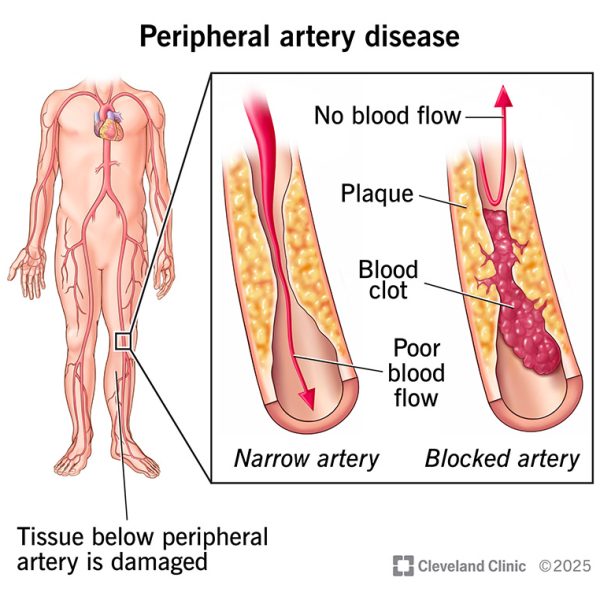
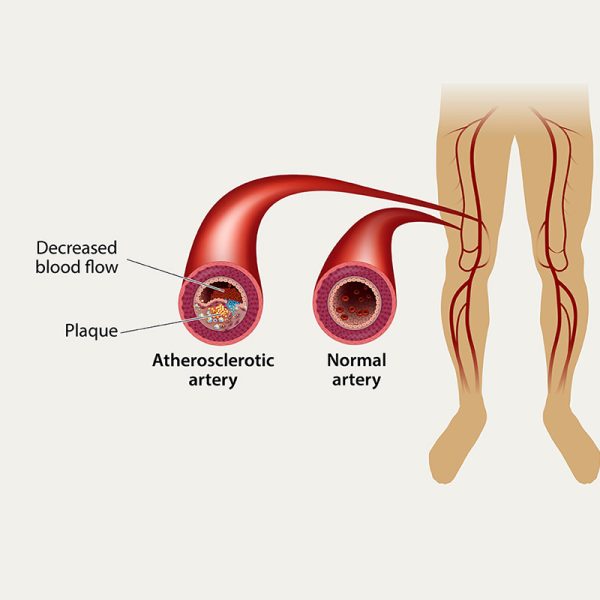
Peripheral Artery Disease (PAD) is a condition in which the arteries that supply blood to the legs and arms become narrowed or blocked, most commonly due to fatty plaque buildup (atherosclerosis)
Renal Stenosis
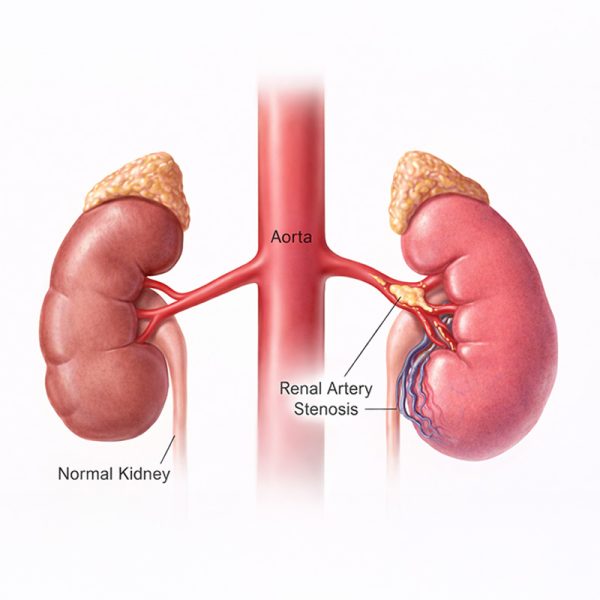
Renal artery stenosis is a condition in which one or both arteries supplying blood to the kidneys become narrowed or blocked.

Uncontrolled Hypertension
Uncontrolled hypertension refers to persistently high blood pressure that remains above target levels despite treatment or due to lack of diagnosis, poor adherence, or underlying medical causes.

Internal Bleeding
Internal bleeding refers to blood loss that occurs inside the body, rather than through an external wound. It can affect organs, tissues, or blood vessels and may occur suddenly or develop slowly over time.