
Idiopathic Intracranial Hypertension (IIH)
Idiopathic Intracranial Hypertension (IIH) is a condition in which pressure inside the skull increases without an identifiable cause such as a brain tumor or infection. The raised pressure can affect the brain and optic nerves, leading to persistent headaches and vision problems. IIH is most commonly seen in young and middle-aged adults and requires timely diagnosis to prevent vision loss.
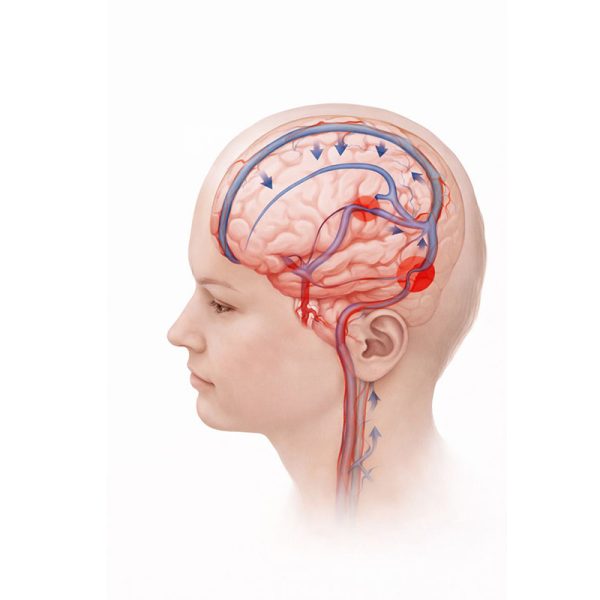
Causes of Idiopathic Intracranial Hypertension
The exact cause of IIH is unknown, but it is believed to be related to impaired absorption of cerebrospinal fluid (CSF). Risk factors include:
Obesity or recent weight gain
Hormonal changes
Certain medications (such as vitamin A derivatives and some antibiotics)
Polycystic ovary syndrome (PCOS)
Female gender and reproductive age
Idiopathic Intracranial Hypertension Signs and Symptoms
Symptoms may develop gradually and include:
Persistent or severe headaches
Blurred or double vision
Temporary vision loss
Ringing sound in the ears (pulsatile tinnitus)
Nausea or vomiting
If untreated, IIH can cause progressive and permanent vision loss.
Diagnosis and Treatment of Idiopathic Intracranial Hypertension
Diagnosis includes an eye examination to detect optic nerve swelling (papilledema), MRI or CT scan to rule out other causes, and lumbar puncture to measure raised cerebrospinal fluid pressure.
Treatment focuses on lowering intracranial pressure and protecting vision. This includes weight loss and lifestyle changes, medications to reduce CSF production, repeated lumbar punctures in selected cases, and surgical procedures for severe or vision-threatening disease.
Early diagnosis and treatment help prevent permanent vision loss.
Prevention and Risk Reduction
The risk of IIH can be reduced by:
Maintaining a healthy weight
Managing hormonal conditions
Avoiding medications that increase intracranial pressure
Regular eye and neurological follow-ups
Early diagnosis and proper treatment of idiopathic intracranial hypertension can preserve vision and improve quality of life.