
Cerebral Venous Thrombosis (CVT)
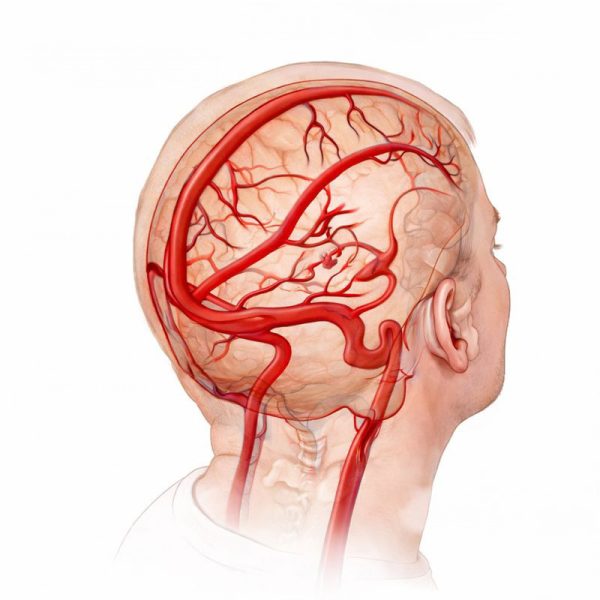
Carotid artery disease occurs when the carotid arteries—major blood vessels that supply blood to the brain—become narrowed or blocked due to fatty plaque buildup. This reduces blood flow to the brain and significantly increases the risk of ischemic stroke and transient ischemic attack (TIA). Early diagnosis and treatment are essential to prevent serious neurological complications.
Causes of Cerebral Venous Thrombosis
CVT occurs when blood clot formation increases or blood flow slows. Common causes and risk factors include:
Blood clotting disorders
Dehydration
Infections of the ear, face, or brain
Pregnancy and postpartum period
Use of oral contraceptive pills
Cancer or inflammatory diseases
Head injury or trauma
Often, multiple risk factors contribute to clot formation.
Cerebral Venous Thrombosis Signs and Symptoms
Symptoms vary depending on the location and extent of the clot and may develop gradually or suddenly.
Common symptoms include:
Persistent or severe headache
Blurred vision or vision loss
Seizures
Weakness or numbness of limbs
Difficulty speaking or confusion
Severe cases may lead to loss of consciousness or stroke-like symptoms, which require immediate medical attention.
Cerebral Venous Thrombosis treatment and diagnosis
Diagnosis is done using MRI with MR venography (MRV) to identify blocked veins, along with CT scan to detect brain swelling or bleeding. CT venography (CTV) may be used in selected cases.
Treatment aims to stop clot progression and reduce brain pressure. This includes anticoagulant medications, drugs to control seizures and swelling, and endovascular treatment in severe or non-responsive cases.
Early diagnosis and treatment improve recovery and reduce long-term neurological damage.
Prevention and Risk Reduction
The risk of CVT can be reduced by:
Staying well hydrated
Managing clotting disorders with medical guidance
Careful use of hormonal medications
Treating infections promptly
Regular medical follow-up in high-risk individuals
Early recognition and timely treatment of cerebral venous thrombosis can save lives and prevent long-term complications.