
Hemianopia
Hemianopia is a visual condition in which a person loses half of the visual field in one or both eyes. It does not affect the eyes themselves but occurs due to damage to the brain’s visual pathways, often after a stroke, brain injury, or brain tumor. Hemianopia can significantly affect daily activities such as reading, driving, and mobility.
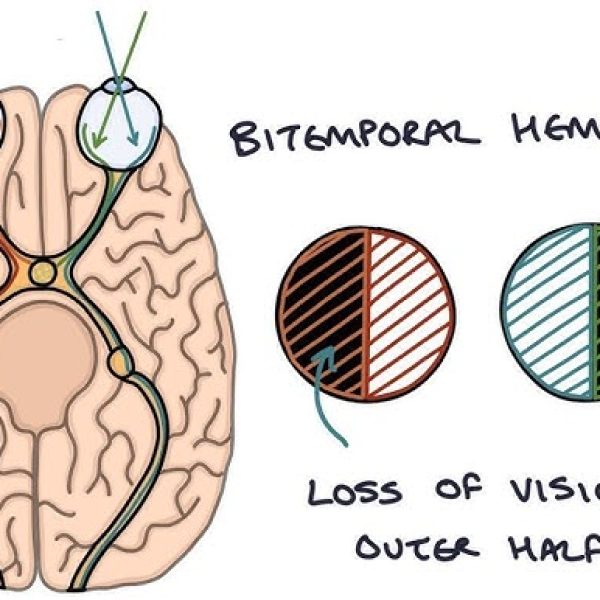
Causes of Hemianopia
Hemianopia is caused by injury or disease affecting the visual pathways in the brain. Common causes include:
Stroke (most common cause)
Brain tumors
Traumatic brain injury
Brain infections
Brain surgery
Aneurysm or vascular malformations
Multiple sclerosis
The type of hemianopia depends on the location of brain damage.
Hemianopia Signs and Symptoms
Symptoms may vary and often include:
Loss of vision on the right or left side
Bumping into objects on one side
Difficulty reading or finding words on a page
Trouble driving or navigating crowded areas
Visual neglect (not noticing objects on the affected side)
Some patients may not immediately realize they have visual field loss.
Diagnosis and Treatment of Hemianopia
Diagnosis is made through visual field testing (perimetry) along with neurological examination and CT scan or MRI of the brain to identify the underlying cause.
Treatment focuses on managing the cause, such as stroke or brain injury, and improving visual function through vision rehabilitation therapy, visual scanning training, and prism glasses in selected cases.
Early diagnosis and rehabilitation help improve visual adaptation and daily functioning.
Prevention and Risk Reduction
isk of hemianopia can be reduced by:
Preventing stroke through blood pressure and diabetes control
Early treatment of brain conditions
Prompt medical evaluation of sudden vision changes
Early diagnosis and appropriate management of hemianopia help improve independence and quality of life.