
Varicose Veins
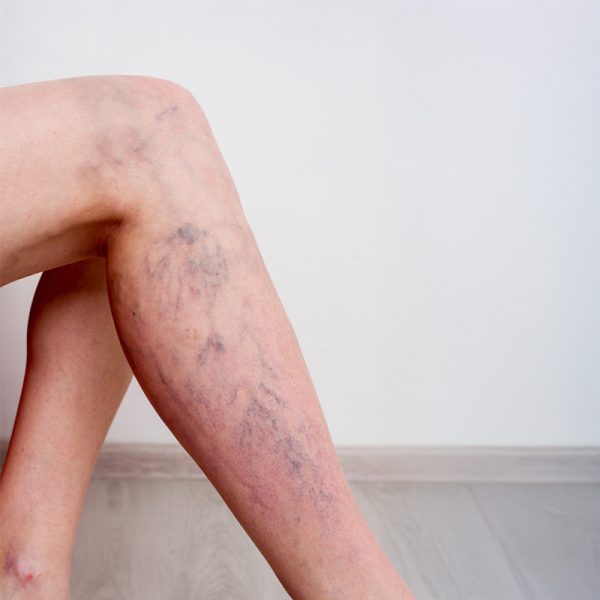
Varicose veins are enlarged, twisted veins that commonly occur in the legs due to weakened or damaged vein valves. These faulty valves cause blood to pool in the veins, leading to visible bulging veins and discomfort. While varicose veins are often a cosmetic concern, they can also cause pain and, in some cases, lead to complications if left untreated.
Causes of Varicose Veins
Varicose veins develop when veins lose their ability to move blood efficiently back to the heart. Common causes and risk factors include:
Weak or damaged vein valves
Prolonged standing or sitting
Family history of varicose veins
Pregnancy
Obesity
Increasing age
Lack of physical activity
These factors increase pressure in the leg veins, leading to vein enlargement.
Varicose Veins Signs and Symptoms
Symptoms may vary in severity and include:
Visible, bulging, twisted veins in the legs
Aching, heaviness, or throbbing in the legs
Swelling of feet and ankles
Itching or skin discoloration around veins
Leg cramps, especially at night
Severe cases may cause skin ulcers or bleeding and should be evaluated promptly.
Diagnosis and Treatment of Varicose Veins
Diagnosis is based on clinical examination and Doppler ultrasound to evaluate blood flow and vein valve function.
Treatment depends on symptoms and severity and may include compression therapy and lifestyle changes, minimally invasive procedures such as laser or radiofrequency ablation, sclerotherapy, or surgical treatment in advanced cases.
Early diagnosis and treatment help relieve symptoms and prevent complications.
Prevention and Risk Reduction
You can reduce the risk or progression of varicose veins by:
Staying physically active
Avoiding prolonged standing or sitting
Maintaining a healthy weight
Elevating legs when resting
Using compression stockings if advised
Early evaluation and appropriate treatment of varicose veins can improve quality of life and prevent long-term complications.