
Brain Aneurysm
A brain aneurysm is a weak, bulging area in the wall of a blood vessel in the brain. As blood flows through the artery, the weak spot can balloon outward like a small balloon. Many brain aneurysms are small and may never rupture, but if an aneurysm bursts, it causes bleeding in the brain (subarachnoid hemorrhage), which is a life-threatening emergency requiring immediate medical care.
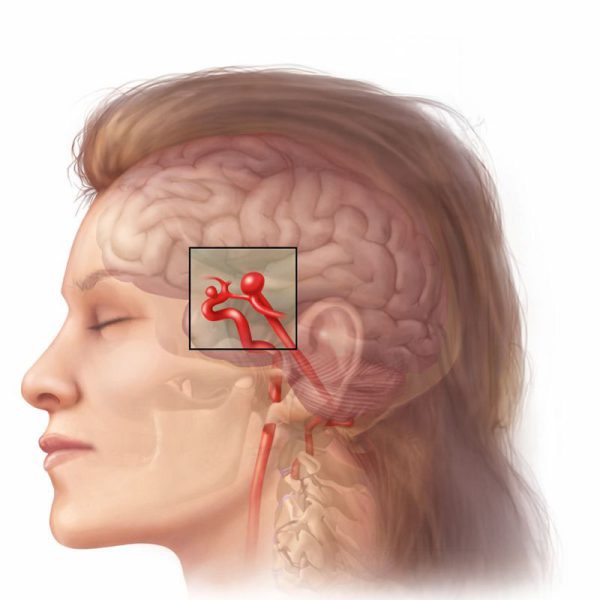
Causes of Brain Aneurysm
Brain aneurysms form when the walls of arteries become weak or thin. Risk factors include:
High blood pressure (hypertension)
Family history of aneurysms
Smoking and tobacco use
Excessive alcohol use
Head injury or trauma
Certain inherited conditions affecting blood vessels
These factors can weaken blood vessel walls over time, making them more likely to balloon or rupture.
Brain Aneurysm Signs and Symptoms
Many brain aneurysms cause no symptoms until they rupture. Larger aneurysms may press on nearby brain tissue and cause:
Localized headache
Vision problems
Pain above or behind the eye
Facial numbness or weakness
A ruptured brain aneurysm causes sudden, severe symptoms such as:
Intense headache (“worst headache of life”)
Nausea or vomiting
Stiff neck and light sensitivity
Loss of consciousness or seizures
A ruptured aneurysm is a medical emergency. Seek immediate medical care.
Brain Aneurysm treatment and diagnosis
Brain aneurysms are diagnosed using imaging tests such as CT scan, MRI, CT angiography, or cerebral angiography to determine their size, location, and risk of rupture.
Treatment depends on the aneurysm’s characteristics and overall health of the patient. Small, unruptured aneurysms may be monitored closely, while higher-risk aneurysms are treated using endovascular coiling or surgical clipping to prevent rupture.
A ruptured brain aneurysm is a medical emergency and requires immediate treatment to control bleeding and prevent brain damage.
Prevention and Risk Reduction
You may lower the risk of aneurysm growth or rupture by:
Controlling blood pressure and cholesterol
Quitting smoking and avoiding tobacco
Eating a healthy diet
Limiting alcohol intake
Regular medical checkups
Risk factor management plays a vital role in prevention.